|
Wantage - Market town with a rich cultural heritage
books about wantage local history articles about Wantage map of Wantage
After visiting Oxfordshire's county town and exploring the gently meandering Thames, many visitors are likely to discover the town of Wantage, close to the Ridgeway and in the middle of enchanting countryside. Local people may be attracted to the idea of keeping the town to themselves, but tourism is increasingly important to the area and the town has a fascinating cultural and industrial history.
The origins of Wantage are lost in the mist of pre-history but pot sherds found by residents when digging their gardens betray the importance of Wantage as a Roman settlement. Nearby villa sites and burials confirm the significance of this evidence and an important Roman road ran south from Oxford through Frilford to Wantage.
The next period of interest for the history of Wantage is the reference to the town being the place of birth of King Alfred. The 'Life of King Alfred', allegedly written by Bishop Asser, offers this information and gives his date of birth as 849. The validity of this has been long disputed and the date is definitely one or two years too late. The absolute truth cannot be unravelled but at least King Alfred's statue graces the marketplace and his logo has been valuable to both town council and local businesses. In 990, King Ethelred came to Wantage to hold a council which discussed tolls to be paid by fishing boats at Billingsgate. Perhaps Wantage was as far inland as he could go and therefore dispassionate about this issue.
See this link: The Life of King Alfred
Wantage appears in the great Domesday survey of 1086. Its value wasŁ61 and it was in the King's ownership until Richard I passed it to the Earl of Albemarle in 1190. The manor eventually passed to the Fitzwaryn family. The town developed at a slower rate than Abingdon, maintaining older fashions of architecture for a longer period than its neighbour. From the early 17th century, it became a large centre for the processing of leather with all the pollution and smells that this trade brought.
During the Civil War, records from 1644 mention the King dining in the town. A note from 1645 describes the effects of plague. The church suffered from Puritan attacks on its 'idolatrous things'. By the beginning of the 19th century, trade was reduced and poverty hit the town. Wantage had a reputation for lawlessness causing historians to label it 'Black Wantage'.
It took some determined work to turn this situation around and the efforts of the Reverend Butler gave the town a renewed respect for itself. An iron foundry gave work to many inhabitants and canal and tramway links encouraged greater trade.
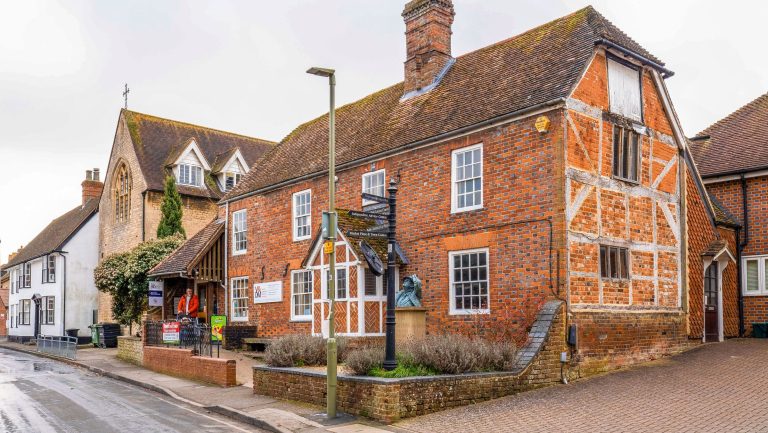
The twentieth century saw great expansion of the town, the development of a bustling town centre and the growth of its neighbour Grove. At the start of the next millennium, new challenges present themselves with further housing and shop development to ensure that the town can sustain its role as a good place to live in and visit. The town's museum presents its history from earliest times to the present day and offers an opportunity to enjoy learning about the Vale and Downland area.
Copyright 2001 Vale and Downland Museum, Wantage
|